
Knowledge Center
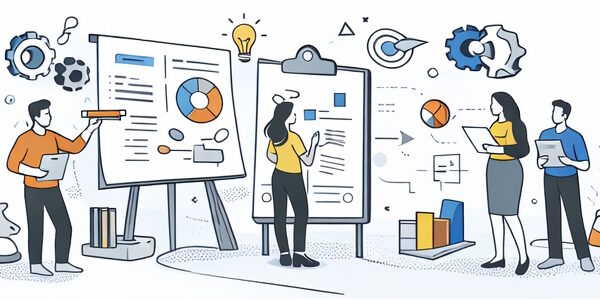
Step 1: Assess Digital Maturity ☑
Assess your administration’s digital maturity by analyzing existing processes, technologies, skills, and services. This step allows you to identify gaps and prioritize action.
Step 2: Define vision and strategic objectives ☑
Define a clear vision for digital transformation and identify strategic objectives consistent with national and European priorities. This step helps you guiding the transformation of your administration.
Step 3: Identify priority areas and initiatives
Select priority areas of intervention and identify project initiatives to be launched to achieve strategic objectives.
Step 4: Define governance and operating model
Establish roles, responsibilities, and an organizational model to drive digital transformation, including the role of the RTD and the various stakeholders involved.
Step 5: Develop roadmap and action plan
Build an operational roadmap with timelines, resources, and milestones to implement your digital strategy.
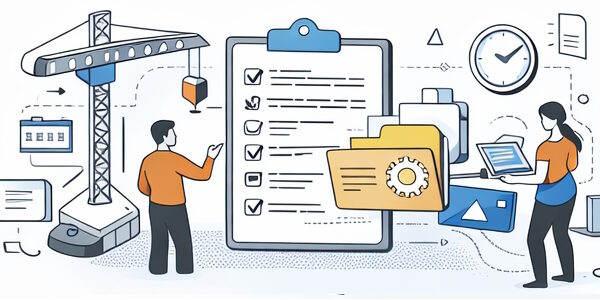
Step 1: Needs assessment ☑
This step helps you clearly identify the needs that your digital project should address. It ensures that your initiative is grounded in real organisational priorities and not driven only by technology.
Step 2: Context and stakeholder analysis ☑
Analyze the organizational context and identify the stakeholders involved, their needs, and their role in the project.
Step 3: Business case
Evaluate the costs, benefits, risks, and sustainability of the initiative to support decisions.
Step 4: Planning
Define the project plan, activities, resources and timelines.
Step 5: Launch of procurement
Initiate the tender process and select suppliers for project implementation.
Step 1: Map the current process (AS-IS)
Analyze and document the existing process, identifying activities, actors, tools, and critical issues.
Step 2: Identify inefficiencies and simplification opportunities
Identify bottlenecks, redundancies, and opportunities for simplification and automation.
Step 3: Design the digital process (TO-BE)
Design the new digitalized process, defining flows, interactions, and digital tools.
Step 4: Select technologies and solutions
Identify the most suitable technological solutions to support the digitalized process.
Step 5: Implement and monitor the process
Implementa il nuovo processo e monitora le performance per garantire miglioramenti continui.
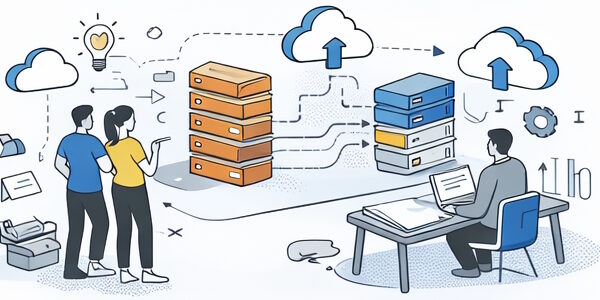
Step 1: Assess existing systems and data landscape
Analyze existing information systems, databases, and information exchange methods.
Step 2: Define interoperability requirements
Define technical, semantic, and organizational requirements to ensure interoperability between systems.
Step 3: Design integration architecture
Design the integration architecture (APIs, middleware, platforms) and data exchange models.
Step 4: Ensure data governance and security
Define rules for data management, quality, security, and information protection.
Step 5: Implement and test integration
Implement system integrations and verify correct operation through testing and validation.
Step 1: Analyse user needs and service performance
Collect user feedback and analyze the performance of your existing service.
Step 2: Identify improvement areas
Identify critical issues and opportunities for improvement in terms of usability, accessibility, and quality.
Step 3: Redesign the service (user-centric approach)
Analyse the service by adopting service design methodologies and a user-centered approach.
Step 4: Implement improvements
Lorem ipsum dolor sit amet, consectetur adipiscing elit. Ut elit tellus, luctus nec ullamcorper mattis, pulvinar dapibus leo.
Step 5: Monitor and continuously improve
Monitor results and activate a continuous improvement cycle based on data and feedback.
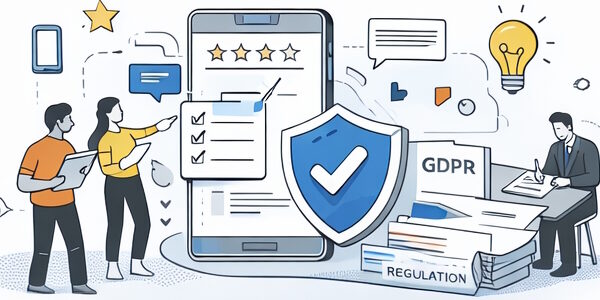
Step 1: Identify applicable regulations and standards
Identify applicable regulations and standards (privacy, security, interoperability, etc.).
Step 2: Assess current compliance level
Assess your administration’s level of compliance with regulatory requirements.
Step 3: Identify gaps and risks
Identify compliance gaps and associated risks, defining action priorities.
Step 4: Define and implement compliance measures
Adopt technical and organizational measures to ensure compliance (policies, procedures, tools).
Step 5: Monitor compliance and ensure continuous update
Monitor compliance over time and update processes and systems as regulatory changes evolve.