Living in a small, isolated village shouldn't mean being cut off from essential healthcare. In 2026, Castel San Vincenzo launched its "Smart Village" project to tackle this head-on. By introducing video consultations, health monitoring, and remote care, the town is reducing the need for long trips to regional hospitals—showing how…
Small towns often struggle to keep up with digital transformation due to limited budgets and staff. To solve this, the Molise region relies on Molise Dati S.p.A., an in-house public company that acts as an IT engine for local authorities. Through the Integrated Territorial Information System (SIIT), even the smallest…
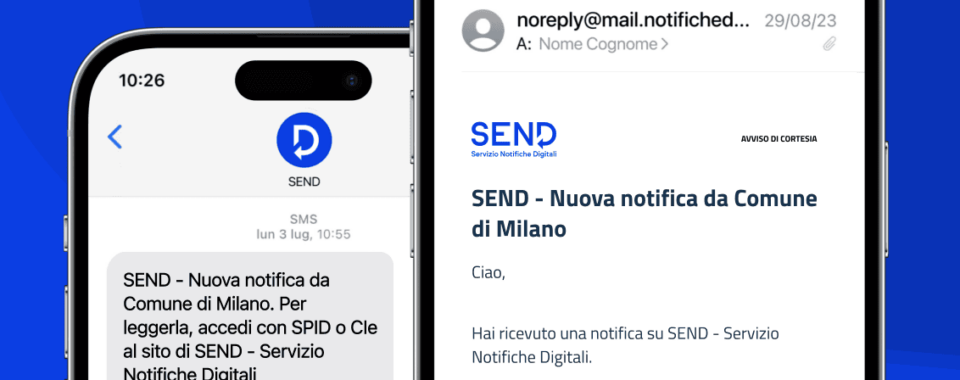
Italy has implemented a structured digital ecosystem for dematerialising public administration communications with citizens, centred on the SEND platform.
IRMS represents a key reform step of the Tax Administration of Montenegro towards the full digitalization of tax services, strengthening trust between the state and the business sector, combating the grey economy, and fulfilling obligations within the European integration process.
Mastering digital skills is crucial for promoting equal access to services, enhancing social inclusion, and driving local development. Programs such as MOLIDIG – Molise Digitale demonstrate the power of specialized training to empower individuals, bridge the digital divide, and strengthen communities’ ability to actively participate in the digital economy.
Objectives and Scope of the Initiative The Capital City of Podgorica has positioned itself at the forefront of local digital transformation in Montenegro through the launch of the ePodgorica portal. This initiative was developed within a broader local governance modernization strategy, with the main goal of improving the efficiency, accessibility,…